
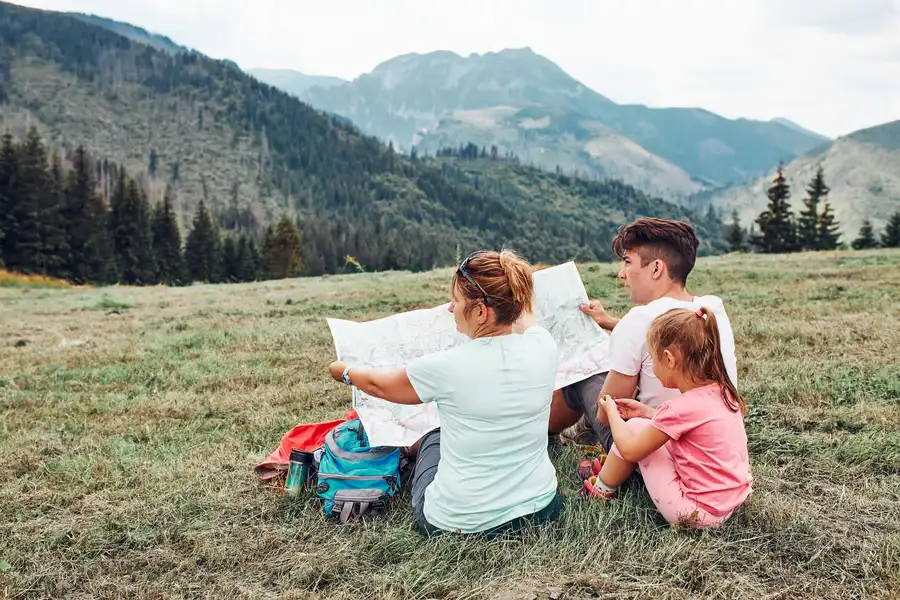
A family trip is often seen as a time to relax, unwind, and bond—but it can also become a powerful opportunity for learning. When planned thoughtfully, travel can teach children more than classrooms ever could. From history and geography to culture and critical thinking, every journey has the potential to shape young minds. Whether you are planning family holidays, exploring family vacations, or looking for unique family vacation ideas, the goal is to blend fun with education. In this guide, we explore practical ways to transform your trips into meaningful experiences that your children will carry for a lifetime.
Why Family Travel Is One of the Best Educational Tools
Family Travel offers experiential learning that textbooks cannot replicate. When children step outside their daily environment, they engage directly with real-world situations that build awareness and adaptability. Unlike structured classroom lessons, travel encourages curiosity and independent thinking. Visiting different places exposes children to diverse cultures, languages, and lifestyles, which helps them develop empathy and global awareness. Whether it is family-friendly getaways or extended trips, travel teaches resilience, planning, and observation skills. These experiences often become the Coolest Learning Experiences For Kids, as they associate learning with excitement and discovery rather than obligation.
How to Set Learning Goals Before Your Family Vacation
Planning ahead is essential if you want to understand How to Plan an Educational Family Vacation. Before leaving, identify what you want your children to learn during the trip. For example, if you are visiting historical sites, focus on history; if you are heading to coastal areas, emphasize marine biology or geography. Set simple, age-appropriate goals such as learning five new facts about a place or understanding a cultural tradition. This approach also answers the question of How to Make Your Family Vacation Educational. When children know there is a purpose behind the trip, they engage more actively and retain knowledge better.
Choosing Destinations That Encourage Discovery and Curiosity
Selecting the right destination plays a huge role in making travel educational. Look for best places for family vacation that offer museums, nature reserves, or cultural landmarks. For Indian travelers, exploring the Best Places to Visit India With Family—such as Jaipur, Kerala, or Hampi—can provide rich historical and cultural learning. Globally, the best family holiday destinations include places like Rome, Kyoto, and Washington D.C., where learning opportunities are abundant. Whether you prefer luxury family holidays or cheap family vacations, choose locations that naturally spark curiosity and offer interactive experiences.
Core Learning Pillars for Family Trips
Teaching History Through Museums, Landmarks, and Cultural Sites
History becomes alive when children can see and experience it firsthand. Visiting forts, museums, and monuments allows them to connect stories with real locations. Instead of memorizing dates, they understand the significance of events and cultures. During family holidays, guide children by asking questions such as “Why was this built?” or “Who lived here?” This method transforms passive observation into active learning. Destinations known for historical richness often rank among the best family vacations, as they combine education with entertainment. These experiences make history tangible and memorable.
Ways to Introduce Geography Lessons During Travel
Travel naturally provides opportunities to teach geography. Use maps, navigation apps, and physical landmarks to explain directions, distances, and terrains. During family beach vacations, for example, you can discuss coastal ecosystems, tides, and weather patterns. Comparing climates, landscapes, and cities helps children understand global diversity. Trips such as family beach getaways or mountain adventures can be turned into interactive geography lessons. Encourage children to track your route, identify countries or states, and learn about physical features, making geography practical and engaging.
Using Local Culture and Traditions as Real-World Learning Opportunities
Cultural immersion is one of the richest aspects of travel. Introduce children to local traditions, clothing, festivals, and daily routines. This helps answer the question of How to Make Your Family Travels Enriching for Your Child. Visiting local markets, attending cultural performances, or interacting with residents provides insights that no book can offer. Even simple experiences like learning greetings in another language or understanding local etiquette broaden a child’s worldview. These interactions build respect and appreciation for diversity.
How Nature-Based Trips Can Teach Science and Environmental Awareness
Nature trips are ideal for teaching science concepts in an engaging way. Visiting forests, national parks, or wildlife sanctuaries allows children to observe ecosystems, biodiversity, and conservation efforts. Activities such as bird watching, hiking, or exploring rivers can introduce scientific concepts like food chains, habitats, and climate change. Many family vacation ideas include eco-tourism destinations that focus on sustainability. These trips also instill environmental responsibility and awareness, helping children understand the importance of protecting natural resources.
Practical Strategies for Engaged Learning
Encouraging Kids to Keep a Travel Journal and Document Their Experiences
A travel journal is a simple yet powerful educational tool. Encourage children to write about their daily experiences, draw pictures, or collect souvenirs like tickets and postcards. This habit improves writing skills, memory retention, and creativity. Journaling also helps children reflect on what they have learned, turning experiences into lasting knowledge. Whether you are on best summer vacations for families or short trips, documenting the journey adds an extra layer of learning and personal growth.
Fun Educational Games and Activities for Long Travel Days
Long journeys can become productive with the right activities. Play games that involve observation, memory, or problem-solving. For example, ask children to identify landmarks, count specific objects, or learn new words. These activities are especially helpful during best spring break destinations for families or long road trips. Even simple quizzes or storytelling sessions can keep children engaged. Such activities ensure that learning continues even during travel downtime, making the journey as valuable as the destination.
Helping Children Develop Problem-Solving and Critical Thinking Skills While Traveling
Travel naturally presents challenges such as navigating new places, managing time, or adapting to unfamiliar environments. Involve children in decision-making processes like choosing routes or planning daily activities. This builds confidence and critical thinking skills. Whether you are exploring inexpensive family vacations or premium destinations, allowing children to participate in planning helps them understand responsibility and consequences. These experiences prepare them for real-life situations and enhance their ability to think independently.
Using Food, Language, and Local Customs to Expand Global Awareness
Food and language are gateways to understanding culture. Encourage children to try local dishes and learn basic phrases in the native language. This not only enhances their experience but also builds cultural appreciation. Exploring cuisines during family vacations or trying regional specialties during family trip ideas can be both fun and educational. Understanding customs and traditions helps children become more open-minded and adaptable in diverse environments.
Maintaining Balance and Reinforcing Knowledge
Balancing Learning and Fun to Keep Kids Engaged on Family Trips
While education is important, it should not overshadow enjoyment. Balance structured learning with free time and entertainment. Activities like visiting theme parks, beaches, or adventure spots keep children excited. Combining fun with education ensures that children remain engaged throughout the trip. Whether you are planning Best family vacations on a budget or premium experiences, maintaining this balance is key. This approach ensures that children associate learning with joy rather than pressure.
How to Reinforce Travel Lessons After Returning Home
Learning should not end when the trip is over. Encourage children to share their experiences with friends or create presentations. Revisiting photos, discussing memories, and connecting travel experiences with school subjects reinforce learning. Trips such as spring break family trip ideas or short getaways can have long-lasting educational benefits if followed up properly. This reflection process helps solidify knowledge and keeps the learning alive.
Conclusion
Transforming travel into a learning experience is not about adding extra pressure but about making the most of every moment. Whether you are exploring family beach vacations, planning best places for family vacation, or searching for meaningful family trip ideas, every journey holds the potential to educate and inspire. By combining curiosity, planning, and engagement, you can turn every trip into a valuable learning adventure that shapes your child’s future.
FAQs
What makes travel educational for children? Travel becomes educational when it involves exploration, interaction, and reflection rather than passive sightseeing.
How can I plan a learning-focused vacation? Set goals, choose destinations wisely, and include activities that promote curiosity and discovery.
Are expensive trips necessary for educational travel? No, even cheap family vacations can offer valuable learning experiences.
What are the best activities for kids during travel? Museum visits, journaling, interactive games, and cultural exploration are highly effective.
How do I keep my child engaged during long trips? Use educational games, storytelling, and observation-based activities.
Can beach vacations be educational? Yes, family beach vacations can teach geography, marine biology, and environmental awareness.
How do I balance fun and learning? Combine structured educational activities with leisure and entertainment.
What role does culture play in learning during travel? Cultural exposure builds empathy, awareness, and understanding of diversity.
How can I reinforce learning after the trip? Encourage discussions, presentations, and journaling to retain knowledge.
Are short trips also beneficial for learning? Yes, even short family-friendly getaways can provide meaningful experiences.
What are some budget-friendly educational travel ideas? Explore local destinations, museums, and nature parks to create enriching yet inexpensive family vacations.