
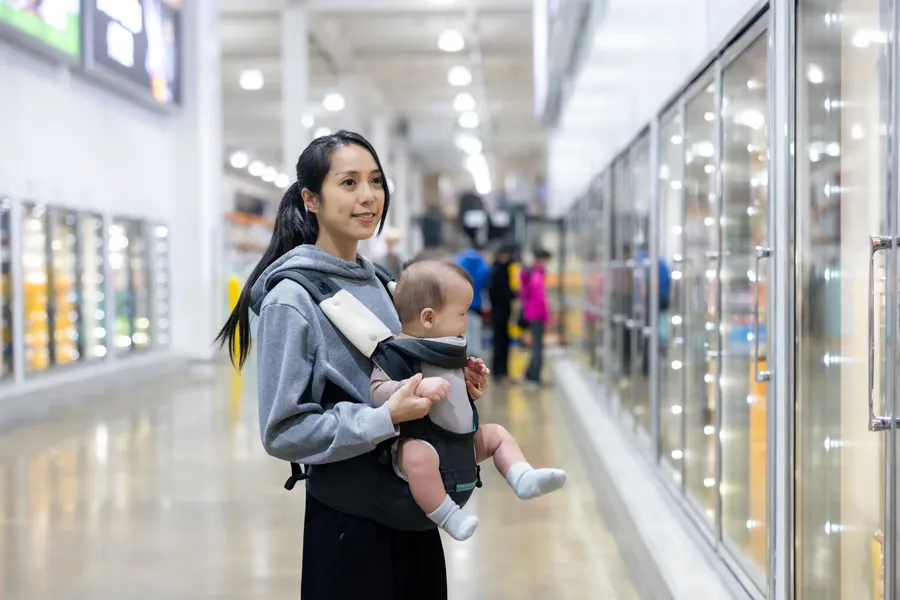
Traveling is a whole new experience when a baby becomes part of the journey. What once felt simple now requires planning, patience, and flexibility. Flying with a baby can seem intimidating at first, especially for new parents, but with the right approach, it becomes manageable – and even enjoyable.
Whether you’re a family, solo parent, or couple, understanding how to travel with kids and navigate air travel with children is essential. This guide simplifies everything – from planning and packing to feeding, sleep, and safety – so your experience of traveling with children and infants stays smooth from takeoff to landing.
Traveling With an Infant: Essential Planning Tips
The most important part of Traveling with an Infant: Essential Tips is preparation. Good planning reduces stress and helps you handle unexpected situations calmly during airplane travel with a baby.
Choose flights that match your baby’s routine. Early morning or late-night flights are ideal when babies are calmer or asleep. Direct flights are always better because fewer connections reduce stress, especially when managing air travel with kids.
Check airline rules carefully. Policies differ—some provide bassinets, others have restrictions. Parents often ask when an infant can travel by plane or how old a baby has to be to fly, and most airlines allow travel after 2 weeks, though doctors recommend waiting 4–6 weeks.
Allow extra time at the airport. Avoid tight layovers and plan buffer time. This is one of the best Travel Tips With Infants and helps you stay calm even during delays.
Flexibility is key. Babies don’t follow strict schedules, so staying adaptable makes air travel with infants: is it safe and less stressful and more controlled.
Flying With a Baby for the First Time
Flying with newborn for the first time can feel overwhelming, but it becomes easier with preparation and confidence.
Arrive early: Arrive at the airport at least 2–3 hours early. This gives you enough time for check-in, security, and understanding how does air travel work with a baby without rushing.
Manage ear pressure: During takeoff and landing, babies may feel ear pressure. Feeding or offering a pacifier helps relieve discomfort. These are simple Tips for baby’s first flight that make a big difference.
Stay calm: If your baby cries, stay calm. It’s normal and temporary. Most passengers understand, especially during Flying with Kids & Family Boarding, where families are often supported.
Utilize movement: If allowed, walk gently in the aisle. Movement helps soothe babies and is a useful trick in any flying with a baby: survival guide.
Build confidence: Each trip builds experience. Confidence grows naturally with time.
Baby Travel Checklist: What to Pack
Knowing What to Pack When Traveling with a Baby ensures you are prepared without carrying unnecessary weight.
Essentials
Diapers (extra)
Wet wipes
Changing mat
Extra clothes
Feeding Items
Bottles or breastfeeding essentials
Baby food or formula
Bibs
Comfort Items
Favorite toy
Blanket
Pacifier
Health & Documents
Basic medications
Sanitizer
Thermometer
Birth certificate, passport (if needed), and tickets
Packing smart is one of the most important Travel With Baby Tips for a Smoother Experience, especially for Flying Internationally with an Infant.
Airport Tips for Parents Traveling With Infants
Airports can be busy, but simple strategies make them easier during air travel with kids.
Use priority lanes: Use priority or family lanes whenever possible. These are designed to help parents and are part of Tips for Less-Stress Airplane Travel with Baby.
Stay organized: Keep documents and essentials easily accessible. This prevents delays during security checks.
Find facilities: Look for baby-friendly facilities like nursing rooms and changing areas. Many airports now support Pregnancy, children and travel needs better than before.
Time your boarding: Board at the right time—not too early, not too late. This avoids unnecessary waiting inside the aircraft.
Ask for help: Don’t hesitate to ask for help. Airport staff are generally supportive when they see you managing airplane travel with a baby.
How to Help Your Baby Sleep While Traveling
Sleep is one of the biggest concerns when Flying with a baby, but simple techniques can help.
Stick to routines: Follow your baby’s usual sleep routine as closely as possible. Familiar patterns help them relax.
Use familiar items: Use items your baby recognizes, such as a blanket or toy. Familiarity creates comfort.
Use white noise: The airplane’s sound often works as white noise, helping babies sleep during How to Master a Long Haul Flight with a Baby.
Don’t stress: If your baby doesn’t sleep well, don’t stress. Short naps still help during air travel with kids.
Feeding Your Baby During Flights and Road Trips
Feeding plays a key role in comfort when traveling with children and infants.
Manage ear pressure: During flights, feeding during takeoff and landing helps reduce ear pressure. This is one of the most effective Travel Tips With Infants.
Be prepared: Always carry extra food or milk in case of delays. Preparation is essential for Airplane Travel with a Baby.
Request assistance: Flight attendants can help with warm water if needed. For breastfeeding, wear comfortable clothing.
Road trip breaks: On road trips, plan regular feeding breaks. This keeps your baby calm and reduces fussiness.
Infant Travel Safety Tips Every Parent Should Know
Safety is the most important aspect of air travel with infant: is it safe concerns.
Secure your baby: Always hold your baby securely, especially during turbulence. Proper support is essential during Airplane Travel with a Baby.
Maintain hygiene: Keep hands and surfaces clean regularly. Airports can expose babies to new environments.
Avoid crowds: Avoid crowded areas when possible. Travel during off-peak hours for better comfort.
Keep supplies close: Keep important items like medicines and documents within reach. Understanding Travel rules for expectant mothers and infants also helps ensure a safe journey.
Common Mistakes Parents Make When Traveling With a Baby
Many parents make simple mistakes when Flying with a baby, especially on their first trip.
Overpacking: Overpacking is common. Carrying too much creates unnecessary stress.
Ignoring policies: Not checking airline policies can lead to confusion, especially regarding do kids need id to fly or documentation requirements.
Forgetting basics: Forgetting essentials like wipes or extra clothes can quickly cause problems.
Rigidity: Trying to follow a strict schedule makes travel harder. Flexibility is key.
Unrealistic expectations: Expecting perfection is unrealistic. Accept small challenges and stay calm during Traveling with children and infants.
Conclusion
Flying with a baby may feel challenging at first, but preparation and patience make it easier. Understanding how to travel with kids, planning ahead, and following simple strategies can turn a stressful journey into a smooth experience.
From packing smart to managing sleep and feeding, every step plays a role in making air travel with kids comfortable. Over time, you’ll gain confidence, and each trip will feel easier than the last. Traveling with your baby is not just about reaching a destination—it’s about creating new experiences together.
FAQs
When can an infant travel by plane?
Most airlines allow travel after 2 weeks, but 4–6 weeks is recommended.
How old does a baby have to be to fly?
Typically 2 weeks minimum, depending on airline policies.
Do kids need ID to fly?
For domestic travel, usually not, but airlines may require proof of age.
Do babies fly free?
Yes, infants under 2 often fly free on a parent’s lap.
What is the best time to fly with a baby?
Early morning or late-night flights.
How to calm a baby during a flight?
Feeding, rocking, and comfort items help.
What to pack when traveling with a baby?
Diapers, wipes, food, clothes, and essentials.
Is air travel safe for infants?
Yes, with proper precautions.
How to manage ear pressure?
Feed or use a pacifier during takeoff and landing.
Can I bring baby food on a plane?
Yes, in reasonable quantities.
Are bassinets available on flights?
Yes, on select long-haul flights.
How to handle long flights with a baby?
Use sleep routines and comfort items.
What are baby-friendly travel destinations?
Places with good healthcare, clean facilities, and family support.
Can I travel internationally with a baby?
Yes, with proper documents.
How to manage sleep during flights?
Follow routine and use familiar items.
What is the biggest tip?
Stay calm and flexible.
How early should I reach the airport?
2–3 hours before departure.
Is solo travel with a baby safe?
Yes, with preparation.
Should I choose direct flights?
Yes, fewer connections reduce stress.
Does it get easier over time?
Yes, experience makes every trip smoother.