
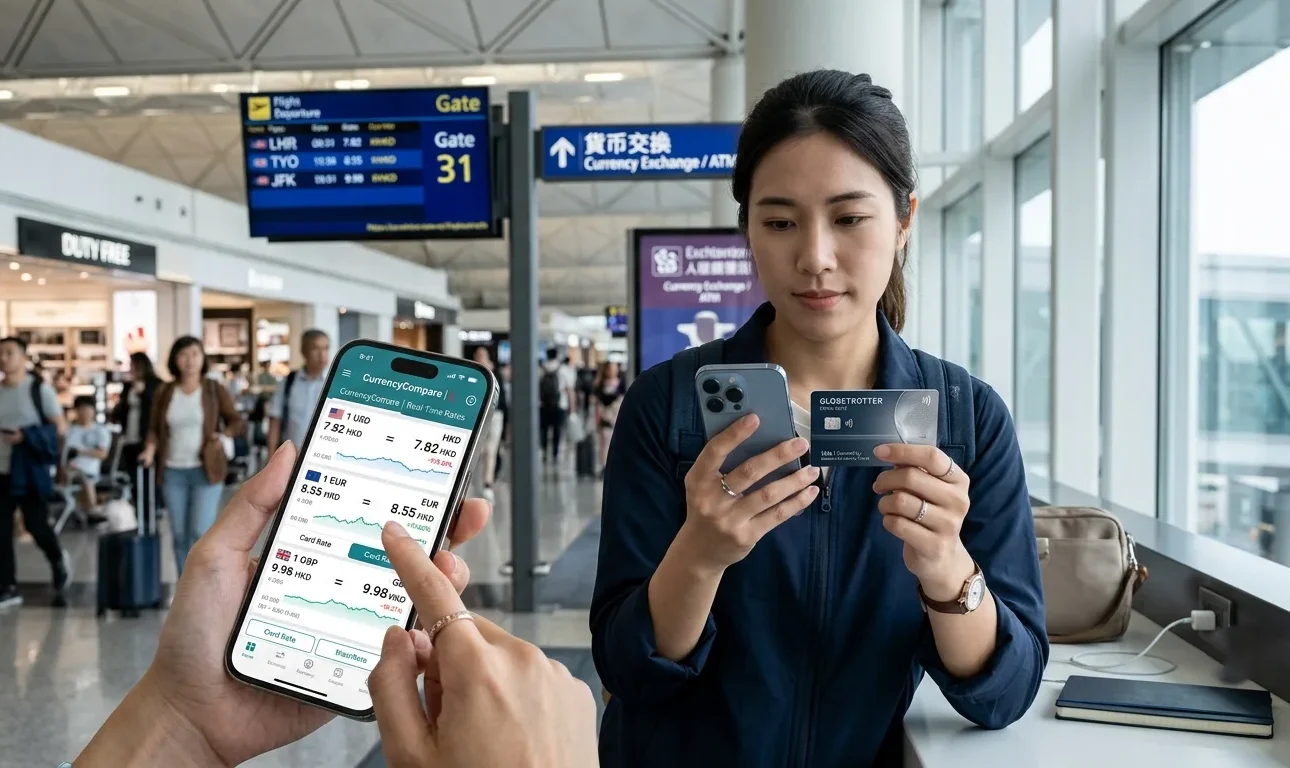
All international travelers need to learn the intricacies of how to exchange foreign currency. Whether you’re traveling abroad for a corporate conference or a long-awaited vacation, good money management can make a huge difference to your travel budget. Fast-forward to 2026, and the whole procedure is more digitized and accessible than ever, but the same-old traps of low currency exchange rates and hidden costs persist. easeairfares.com is the best partner for individuals looking for smooth financial logistics for their overseas business trips, helping you to arrange not only your flight bookings but also your necessary travel preparations.
How to exchange foreign currency or “forex” is the conversion of one national currency into another. Whether you buy currency before you leave or get money from an overseas ATM, you are part of a huge, real-time worldwide market. Currency exchange rates change according to geopolitical events, economic data, and supply and demand, so knowing how to exchange your money is more than a convenience—it’s financial strategy. By learning things to know about currency conversion, you ensure your hard-earned cash is spent on experiences and not large bank fees.
What Different Exchange Rates Mean
Not all exchange rates are the same. There are three primary types that are important to distinguish:
The Interbank Rate (Mid-Market Rate): This is the “real” rate you see on Google or financial news sites. It is the rate at which large banks trade currencies with each other.
The Retail/Tourist Rate: This is the rate you get from banks, kiosks, or exchange companies. It will be less favorable than the interbank rate as it will have a “markup” to compensate for the provider’s operational costs and profit.
Dynamic Currency Conversion (DCC): If you’re overseas at a checkout and the terminal asks if you want to pay in your home currency or the local currency, always choose the local currency. DCC is a fraudulent practice where the merchant’s terminal uses a bad currency conversion rate, usually charging you a lot more than if you had just processed the transaction in local currency.
How Currency Exchange Works
The existing procedure of how to exchange foreign currency usually requires three separate stages:
Pre-Trip Preparation: Watch currency exchange rates to get a sense of the “normal” range of the currency for your location. This is one of the essential important tips for currency exchange when travelling.
Conversion: Choosing the best ways to get foreign currency (cash, Forex card, or ATM withdrawal).
Reconversion: What to do with the surplus when you come back. Good travelers try to limit this by paying for most of their expenses digitally and carrying only a limited quantity of actual currency change in case of emergencies.
Currency Exchange Method: Pros and Cons
| Method | Pros | Cons |
| Cash | Widely used, good for tiny tips. | High danger of theft; kiosks have worse rates. |
| Forex Cards | Secure, fixed rate, reloadable. | May incur inactivity fines. |
| Credit/Debit Cards | Very convenient. | Foreign transaction costs. |
| ATM Withdrawals | Good rates if using a bank-affiliated ATM. | Possible flat costs per transaction. |
Where to Exchange Your Money
Where you exchange money is often more important than when.
Banks: Tend to be the safest and most trusted option in general. Their costs are straightforward and their rates are competitive.
Online Foreign Currency Exchange: Increasingly popular in 2026. They bundle rates from several suppliers so you may compare and lock in a bargain before you collect your cash from an authorized dealer. You can buy foreign currency online at the best exchange rates through these secure platforms.
Local ATMs: If you have a debit card with minimal or no international transaction fees, this is usually the cheapest way to receive cash on arrival. Use ATMs within good bank locations to avoid skimming.
Airport Kiosks: Stay away from them. These are the most handy yet often have the poorest prices.
Tips to Get the Best Exchange Rate
Plan Ahead: Don’t wait until you’re at the airport to deal with your funds. Follow these tips for buying foreign exchange for your trip by doing an online search of providers at least a week prior.
Use a Travel-Friendly Credit Card: Find cards that specifically declare “no foreign transaction fees.”
Keep an eye on the Trends: Utilize a rate-tracking software to buy your currency when the market lowers. Using online foreign currency exchange tools helps you stay updated.
Mix it up: Take along some local cash, a trusted Forex card, and a credit card for backup. This is one of the best ways to save on currency exchanges.
Security Measures for Exchanging Currency
Check the authorization: Always utilize an RBI-licensed or government-regulated money changer.
Keep your receipts: You may require this evidence of transaction if you want to change any remaining currency change back to your home currency.
Protect Your Money: Use a secure, chip-enabled Forex card rather than carrying around significant sums of cash. If your card is misplaced, you can block it immediately.
Avoid independent ATMs: Look for ATMs affiliated with a big local bank in busy tourist locations.
Conclusion
Handling currency exchange international doesn’t have to be a stressful element of your trip experience. Go the digital route with Forex cards, avoid those expensive airport kiosks, and never pay in any currency other than the local one to utilize the best ways to save on currency exchanges. Booking flights is only part of trip preparations; there’s also the matter of ensuring your financial independence and following a guide to managing foreign exchange risk. easeairfares.com is always there for you to plan your trip with confidence and with ease. For complete help with your travel arrangements, remember that easeairfares.com is your premier partner.
Frequently Asked Questions
1. Do I need to change money before I go?
Yes, in general. Before you travel, follow the important tips for currency exchange when travelling by getting a small amount of local currency at your home bank or an online foreign currency exchange marketplace so you don’t have to utilize pricey airport kiosks.
2. What is a Forex Card?
A Forex card is a prepaid debit card that may be loaded with one or more foreign currencies. It is one of the most reliable and cheapest techniques to control spending overseas.
3. How do I select “Home Currency” or “Local Currency” at an ATM?
Always select the native currency. When you pick your home currency, the terminal uses “Dynamic currency conversion” which has a far inferior exchange rate.
4. How can I get the best exchange rate?
Online currency marketplaces are a great location to compare prices. These platforms make providers compete for your business, so you can buy foreign currency online at the best exchange rates and secure the best currency exchange.
5. Do need tIo bring lots of cash?
Most major cities and companies are mostly cashless by 2026. It is advisable to carry a little currency change for tips, small vendors, or emergencies, and use digital payments for the remainder. This is one of the best ways to get foreign currency without unnecessary risks.