
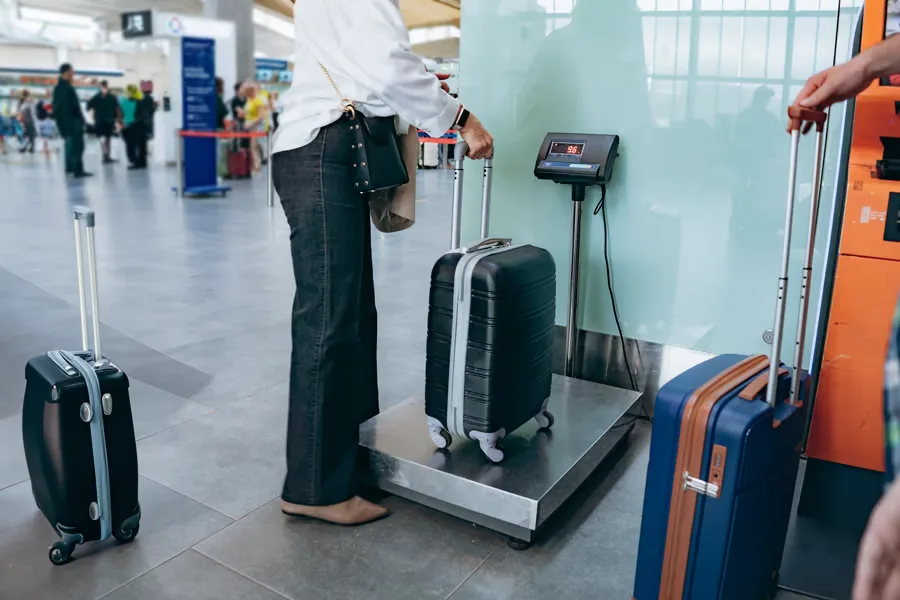
When you start packing for a trip, your bag quietly becomes your first airport: this is where excitement meets doubt about carry on luggage dimensions and whether your suitcase will actually pass real-world Airline Carry-on Luggage Size Restrictions. For Easairfares.com travelers—families, solo wanderers, luxury guests, budget backpackers, couples, and adventure seekers—understanding Cabin Luggage Size and Passenger Baggage Rules is the difference between walking straight to the gate and standing aside while security empties your things.
This Easairfares.com Guide to Hand Luggage will help you decode 2026 carry on luggage dimensions, liquids policies, Cabin or Carry-on Baggage limits, and Permitted & Prohibited Items for Airports and Airlines, so you can pack calmly, move confidently, and focus on the trip—not on your bag.
Understanding Why Luggage Restrictions Exist and How They Ensure Passenger Safety
Luggage rules can feel fussy until you look at them through the lens of Security & Baggage Rules and safety. Airlines and regulators set Air travel hand baggage and hold luggage rules for three key reasons: safety, security, and practicality, and each reason shapes Carry-on bag size and what belongs in the hold.
Cabin Safety and Evacuations
In the cabin, strict carry on luggage dimensions and luggage size requirements for carry on exist so bags fit under seats or inside overhead bins without blocking aisles or exits. In an evacuation, oversized Cabin or Carry-on Baggage becomes more than an inconvenience—it becomes an obstacle, which is why CARRY-ON LUGGAGE SIZES & DIMENSIONS BY AIRLINE can feel so strict.
Security Protocols
On the security side, Passenger baggage regulations distinguish between items that must stay out of the cabin and items that might be acceptable in the hold. Batteries, aerosols, and certain chemicals are limited because they can be risky at altitude. Baggage scanners and swabs are there to find the rare dangerous item among millions of safe ones, and your role is to pack in a way that respects Permitted & Prohibited Items for Airports and Airlines so the system can do its job quickly.
Key Differences Between Carry-On and Checked Baggage Rules
Carry-on and checked baggage may look similar, but under Air travel hand baggage and hold luggage rules they live under very different sets of expectations. Your Cabin or Carry-on Baggage travels in the passenger cabin and must follow Airline Carry-on Luggage Size Restrictions, while your checked bag goes in the hold under broader Carry-On & Checked Baggage Allowance policies.
Cabin Expectations: In the cabin, Carry-on bag size and weight are tightly controlled because bags sit near you and must fit overhead or under the seat, and because you can access them mid-flight. That’s why there are detailed Passenger baggage regulations on blades, liquids, and some tools, and why agencies publish guidelines like Cabin Baggage Rules For India and International Flight and Items Not Allowed in Hand Luggage at Indian Airports.
Hold Expectations: In the hold, Security & Baggage Rules focus more on fire risk, pressure changes, and leaks. Here, limits apply to fuel, some aerosols, strong chemicals, and certain batteries. Reading your airline’s Information on Carry-on Bags and checked-bag restrictions before you book on Easairfares.com will help you decide what belongs in which bag, and what should stay at home entirely.
Prohibited Items and Packing Restrictions
Common Items Prohibited in Carry-On Luggage
Every frequent flier has seen someone at security watching a beloved item go into a bin marked “discarded.” That moment usually comes from not knowing Permitted & Prohibited Items for Airports and Airlines or ignoring the fine print in Guide to Hand Luggage and Security & Baggage Rules.
Sharp Objects: Full-size knives, loose razor blades, box cutters, big scissors, and many tools are almost always banned from Cabin or Carry-on Baggage.
Volume Limits: Large liquid containers, oversized aerosols, and some sporting equipment can also fall foul of Passenger baggage regulations. Heavy items that look like blunt instruments—bats, sticks, certain tools—may be refused in the cabin even if they are allowed as checked baggage.
Restricted Items in Checked Baggage
Checked bags feel freer because they’re not bound by Carry-on bag size, but they have their own set of Passenger baggage regulations that protect the aircraft and everyone’s luggage.
Batteries: Lithium-ion and lithium-metal batteries are usually not allowed loose in checked bags because of fire risk. Power banks, spare camera batteries, and many drone batteries must travel in the cabin.
Dangerous Goods: Fuel-powered camping gear, gas canisters, and strong chemicals—like industrial cleaners or some paints—are limited or outright banned from both cabin and hold under Permitted & Prohibited Items for Airports and Airlines.
Liquids, Gels, and Aerosols Rules Explained
Of all Security & Baggage Rules, liquid limits in Cabin or Carry-on Baggage are the ones travelers bump into the most. Whether you’re flying under TSA rules, EU regulations, or Cabin Baggage Rules For India and International Flight, the spirit of the policy is similar: small containers only, and all of them together must fit in a single clear bag.
Size Constraints: The familiar “how many ounces can you take on a plane” guideline typically means each liquid or gel container must be at or under a specific volume (often around 100 ml or 3.4 ounces).
Total Volume: All containers must fit into one resealable transparent bag. Bigger bottles are not allowed in Cabin or Carry-on Baggage even if they’re half full.
Electronics, Batteries, and Power Banks
Modern travel means flying with laptops, tablets, e-readers, cameras, and multiple chargers, so knowing Information on Carry-on Bags for electronics and power is crucial.
Device Placement: Laptops and tablets are generally encouraged in Cabin or Carry-on Baggage.
Battery Safety: Spare lithium batteries and power banks almost always must go in the cabin as well, aligning with Passenger baggage regulations that forbid them from checked luggage. A good practice is to cover exposed terminals and distribute batteries across your Cabin or Carry-on Baggage so nothing can short-circuit.
Sharp Objects, Tools, and Sports Equipment Restrictions
Sharp and bulky objects are where many travelers trip over Permitted & Prohibited Items for Airports and Airlines. The rule of thumb is simple: if it could be used as a weapon, it’s usually banned from Cabin or Carry-on Baggage.
Tools: Full-size knives, multitools with blades, big scissors, and many hand tools are classic Items Not Allowed in Hand Luggage at Indian Airports.
Sports Gear: Items like bats, clubs, ski poles, golf clubs, and some climbing gear usually counts as “too dangerous” for Cabin or Carry-on Baggage and must be checked under Carry-On & Checked Baggage Allowance.
Tips to Avoid Confiscation and Delays at Airport Security
No one wants to start a holiday watching items fall into the confiscation bin. A few simple habits save time and embarrassment:
Pre-Check Size: Check your airline’s carry on luggage dimensions and luggage size requirements for carry on before you leave home.
Organize for Screening: Organize your bag according to Information on Carry-on Bags expectations: liquids together in a clear bag at the top, electronics near the opening, and medication easily reachable.
Stay Flexible: If you’re not sure about an item, assume you may have to surrender it or check it.
Conclusion: Packing Smartly for Hassle-Free & Safe Travel
Packing isn’t just logistics—it’s the first chapter of your trip, and carry on luggage dimensions are part of that story. When you understand Airline Carry-on Luggage Size Restrictions, Carry-on bag size, and Security & Baggage Rules, you aren’t just following regulations; you’re choosing a smoother, safer experience for yourself and every other passenger. With Easairfares.com helping you pick routes and fares, and this Guide to Hand Luggage shaping how you pack, you can step into security with quiet confidence.
FAQs
1. What are the standard carry on luggage dimensions for 2026?
There’s no single global standard, but most airlines publish very similar Cabin Luggage Size limits. Before every trip, check Information on Carry-on Bags for your airline via Easairfares.com.
2. What is meant by Airline Carry-on Luggage Size Restrictions?
These are the maximum height, width, depth, and sometimes weight limits your Cabin or Carry-on Baggage must meet. If your bag is larger, staff may insist on checking it.
3. How do international Carry-On Size rules differ by region?
Limits can vary slightly by airline and aircraft type. European, US, and Asian carriers may have different norms, so always cross-check CARRY-ON LUGGAGE SIZES & DIMENSIONS BY AIRLINE.
4. Where can I find a simple Guide to Hand Luggage rules?
Most airlines publish an online Guide to Hand Luggage or Information on Carry-on Bags. Easairfares.com links you directly to airline policies.
5. What are Items Not Allowed in Hand Luggage at Indian Airports?
This includes many sharp objects, certain tools, flammable items, and large liquid containers. Read detailed lists under Cabin Baggage Rules For India and International Flight.
6. What’s the difference between Cabin Baggage Rules For India and International Flight?
Rules follow similar principles but may have extra local nuances. Pair these with global Air travel hand baggage and hold luggage rules to avoid surprises.
7. How many ounces can you take on a plane in 2026?
Most agencies use the 100 ml (3.4 oz) guideline per container. Anything larger generally belongs in checked luggage.
8. How much liquid can you bring on a plane in total?
Each passenger may bring one small, transparent, resealable bag of liquids. There is no strict total ounce count, but volume is capped by the bag size.
9. What does a Carry-On & Checked Baggage Allowance include?
It defines how many cabin and hold bags you can bring, including weight and size. Easairfares.com surfaces fare types that include or exclude baggage.
10. How do american airlines carry on rules handle bag size?
They follow standard Airline Carry-on Luggage Size Restrictions: one cabin bag within specified dimensions plus a personal item.
11. What are southwest airlines carry on size and baggage policy like?
They typically allow one free cabin bag plus a personal item. Their policy is usually generous with checked bags but still follows core Security & Baggage Rules.
12. What is the Baggage Policy – Plone – Alliance Air for domestic routes?
This document outlines specific Carry-on bag size, baggage allowances, and prohibited items for their flights. Check this when booking domestic segments via Easairfare.com.
13. What are the main Passenger baggage regulations I should remember?
Respect size restrictions, separate liquids, pack batteries correctly, and keep valuables in your cabin bag.
14. How do Security & Baggage Rules affect my packing strategy?
They dictate what goes in your cabin bag versus the hold and dictate how you organize your gear for quick security screening.
15. Do Carry-on bag size limits change with international Carry-On Size rules?
Yes, they can be stricter on regional or low-cost carriers. Always consult CARRY-ON LUGGAGE SIZES & DIMENSIONS BY AIRLINE tables.
16. Where can I read clear Information on Carry-on Bags for my flight?
Check your airline’s website or confirmation email, specifically under Carry-On Baggage Tips or Guide to Hand Luggage.
17. What are the best Carry-On Baggage Tips for 2026?
Choose a compliant bag, pack liquids for easy screening, avoid prohibited sharp objects, and keep essential documents in your cabin bag.
18. How do Air travel hand baggage and hold luggage rules work on multi-airline itineraries?
The strictest rule on your route usually becomes the safest baseline for your entire journey.
19. Are Cabin or Carry-on Baggage rules the same for every passenger type?
Rules apply to everyone, though families may get minor flexibility for baby items or mobility devices.
20. How does Easairfares.com make baggage planning easier?
Easairfares.com shows fare options with baggage icons and links to specific airline policies, so you can see requirements in context before you book.