In an era defined by lightning-fast connectivity and the “bucket list” mentality, travel has often become a race—a frantic dash to visit as many landmarks as possible in the shortest time frame. But as global consciousness shifts, many explorers are asking themselves a fundamental question: Am I actually experiencing a destination, or am I just checking boxes? This search for meaning has brought two powerful philosophies to the forefront of modern tourism: Slow Travel and Cultural Immersion Travel.
While these two concepts often overlap, they operate on different principles. Slow travel is a commitment to the rhythm of a destination, emphasizing a reduced pace and extended stays. Cultural immersion is a commitment to the depth of an experience, emphasizing active participation in local life, customs, and traditions. Choosing between them—or understanding how to blend them—is the secret to moving from being a mere tourist to becoming a genuine traveler.
Defining Slow Travel and Cultural Immersion Travel
To understand which offers a deeper experience, we must first define the landscapes of these two philosophies.
Slow Travel
This movement is a rejection of “mass tourism.” It prioritizes quality over quantity. Instead of visiting five cities in ten days, a slow traveler might spend ten days in a single village. The goal is to move at a pace that allows for genuine exploration, reducing the carbon footprint of transport and minimizing the stress of constant transition. It is travel as an antidote to the busyness of modern life.
Cultural Immersion Travel
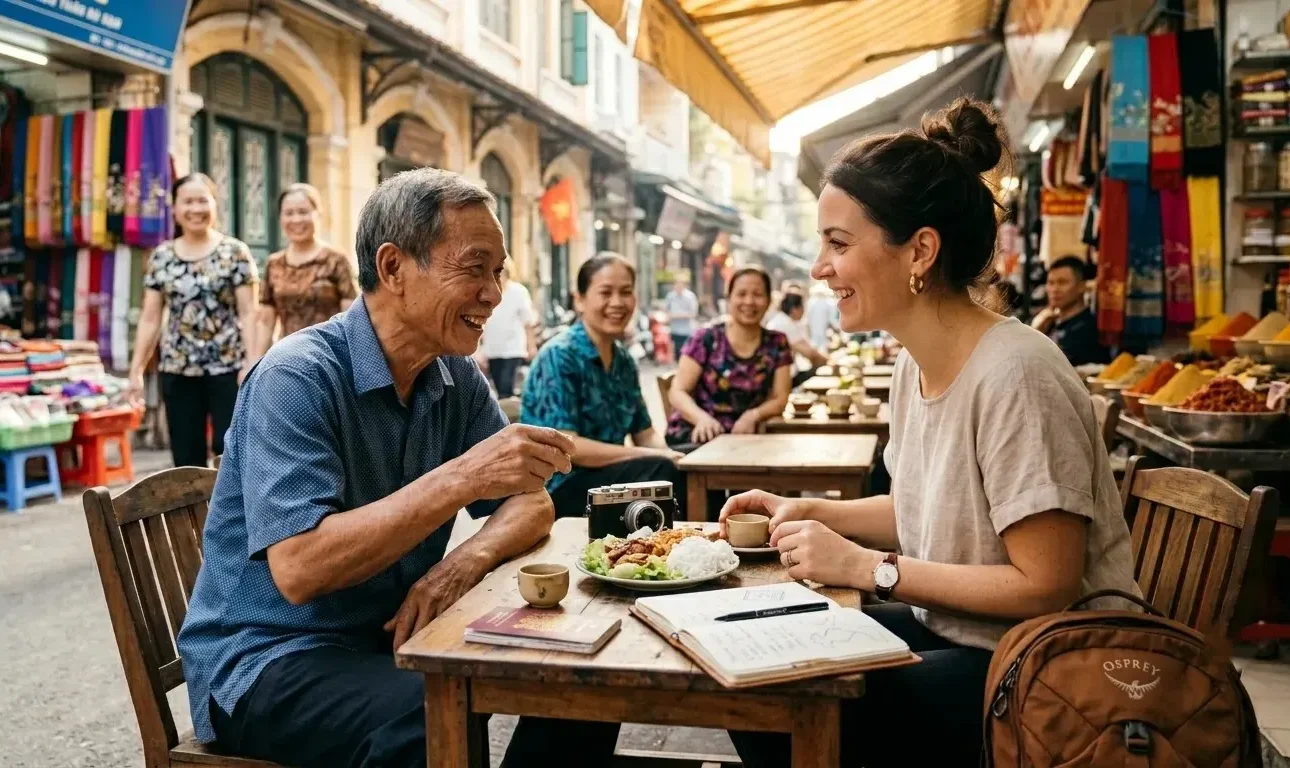
This approach is less about the speed of movement and more about the nature of your engagement. It is the act of stepping out of the “tourist bubble” and into the reality of local life. It involves learning the language, participating in community traditions, eating what the locals eat, and actively seeking to understand the socio-cultural fabric of a region.
Benefits of Slow Travel for Deeper Experiences
When you remove the pressure of the itinerary, the travel experience fundamentally changes. The benefits of slowing down are both psychological and experiential.
Slower Pace Allows for More Meaningful Connections with Locals
When you stay in a location for an extended period, you shift from being a “passing stranger” to a “familiar face.” You begin to visit the same local bakery every morning, chat with the same shopkeeper, and understand the daily rhythms of the neighborhood. These consistent interactions bridge the gap between “tourist” and “neighbor,” allowing for conversations that are far deeper than the transactional exchanges typical of a fast-paced trip.
Opportunity to Fully Immerse in a Culture
Slow travel provides the “luxury of time”—the most valuable resource for any traveler. By removing the need to rush to the next attraction, you have the space to engage with the finer details of a culture: the local music scene, the intricacies of regional cooking, or the slow unfolding of a local festival. It allows you to peel back the layers of a destination that are invisible to someone who is only there for 48 hours.
More Time for Reflection and Appreciation
Travel can be overstimulating. Slow travel offers the necessary stillness to process what you are seeing and learning. Whether it is sitting in a local park, journaling in a cafe, or simply observing the street life, this time for reflection ensures that experiences are not just collected, but actually felt and internalized.
Benefits of Cultural Immersion Travel for Deeper Experiences
While slow travel provides the space, cultural immersion provides the substance. It is a proactive, intentional form of exploration.
Authenticity and Genuine Interactions
Cultural immersion forces you to abandon the comfort of the “tourist circuit.” When you seek out local artisans, participate in homestays, or engage in community-led activities, you are exposed to the authentic, uncurated life of the destination. These genuine interactions provide insights into history, politics, and social dynamics that no guidebook can offer.
Learning About Different Cultures and Traditions
This form of travel is inherently educational. Whether you are learning a traditional craft, participating in a religious ceremony, or helping with a community harvest, you are gaining first-hand knowledge. This learning is visceral; you aren’t just reading about a culture, you are experiencing its heartbeat through direct participation.
Challenging Comfort Zones and Personal Growth
Cultural immersion is often uncomfortable—and that is exactly why it is transformative. It pushes you to communicate across language barriers, adapt to new dietary norms, and navigate unfamiliar social hierarchies. Every challenge faced and overcome during an immersive experience adds to your personal resilience, empathy, and adaptability.
Slow Travel vs Cultural Immersion: The Synergistic Approach
Ultimately, the debate between the two is a false dichotomy. The deepest experiences happen at the intersection of these two ideas: Slow Immersion.
You cannot truly immerse yourself in a culture if you are constantly on the move, and you cannot enjoy the benefits of slow travel if you remain isolated in your hotel room. The most profound travel experiences occur when you combine the extended duration of slow travel with the intentional participation of cultural immersion.
How to Achieve Deep Experiences:
Opt for Longer Stays: Aim for at least one week in a single location to allow your curiosity to develop naturally.
Participate, Don’t Just Observe: Seek out workshops, cooking classes, or volunteering opportunities that connect you with local residents.
Prioritize Local Services: Choose locally-owned accommodation and dining to ensure your presence supports the community you are exploring.
Conclusion
Choosing between slow travel and cultural immersion is not about picking one over the other; it is about identifying what you need from your journey. If you are burned out and seeking to reconnect with yourself, slow travel provides the necessary healing space. If you are intellectually curious and looking to expand your world view, cultural immersion provides the challenge you crave.
When combined, they create a form of travel that is sustainable, ethical, and deeply rewarding. In 2026, as we seek to travel more mindfully, remember that the depth of your experience is not determined by how many countries you stamp in your passport, but by how deeply you engage with the few places you choose to visit. If you are looking for seamless planning, easeairfare.com is your go-to travel agency to help manage your bookings.
FAQs
1. Is “slow travel” only for people with unlimited time?
No. While it implies an extended stay, “slow travel” is a state of mind. Even on a two-week vacation, you can practice slow travel by choosing to focus on one or two regions rather than trying to cover an entire country.
2. Is cultural immersion risky?
Like any travel, it requires common sense. Choosing reputable local hosts, researching customs beforehand, and remaining aware of your surroundings are key. However, the “risk” is usually outweighed by the depth of the reward.
3. Which is better for a first-time traveler?
A mix of both. Start with a slow-paced trip to a destination that feels approachable, and incorporate small, immersive experiences like a local tour or a homestay to build your confidence.
4. How can I practice cultural immersion without being intrusive?
Respect is paramount. Always ask for permission before taking photos of people or private religious ceremonies. Listen more than you speak, and approach every interaction with humility and gratitude.
5. How do these styles affect my travel budget?
Slow travel can often be more cost-effective because you spend less on transport and can leverage local prices for accommodation. Cultural immersion might have upfront costs for activities, but these often support the local economy directly, which is a key part of responsible travel.