Parents often wonder what is culture for kids and why it matters in a child’s development. Simply put, culture includes the traditions, languages, foods, beliefs, celebrations, and values that shape how people live around the world. Understanding what is culture for kids helps children become more open-minded, respectful, and curious about others.
Travel offers one of the most effective ways to introduce children to different ways of life. Through meaningful journeys, children can enjoy cultural experiences, gain valuable cultural learning, and develop a deeper appreciation for people from diverse backgrounds. At EaseAirfare, we believe that family travel creates opportunities for lifelong learning that go far beyond the classroom.
Defining Culture for Kids
When explaining culture to children, it helps to focus on everyday things they can easily understand. Food, music, language, clothing, celebrations, and family traditions all contribute to culture for kids.
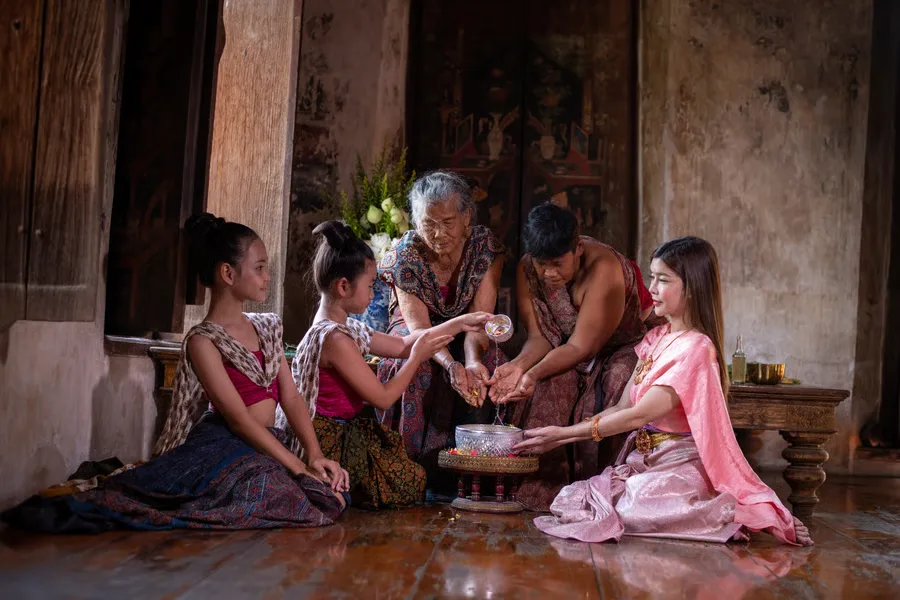
Children become cultural kids when they actively engage with traditions and customs from around the world. Encouraging learning about culture through stories, festivals, and travel experiences helps children understand that every community has unique values and traditions worth respecting.
The Importance of Teaching Children About Diversity and Culture
Exposure to different cultures supports multicultural education and helps create empathetic individuals. In today’s interconnected world, children regularly interact with diverse learners from different backgrounds.
Developing cultural awareness at an early age encourages kindness and acceptance. It also strengthens cultural understanding, helping children appreciate similarities and differences among people.
Schools increasingly promote inclusive education because it prepares students for a global society. Encouraging inclusion in the classroom benefits all students by creating a welcoming environment where everyone feels valued. The many benefits of inclusive education include stronger communication skills, improved empathy, and better social development.
How Travel Can Be a Powerful Tool for Cultural Education
Travel transforms lessons into real-life experiences. Through cultural travel, children can see traditions firsthand rather than simply reading about them.
Whether exploring local markets, attending festivals, or participating in cultural immersion activities, travel creates memorable learning opportunities. Experiences that combine travel & culture help children connect with people from different backgrounds and understand global perspectives.
Parents who choose travel for culture often discover that children become more curious and confident. This type of cultural education encourages meaningful conversations and personal growth.
Cultural Experiences to Engage Children in Learning
Hands-on activities are among the best ways to promote cultural understanding.
Food and Cooking Experiences
Trying local dishes introduces children to cultural diversity while teaching them about regional traditions.
Museums and Heritage Sites
Interactive exhibits provide excellent opportunities for cultural learning and historical discovery.
Festivals and Community Events
Participating in celebrations exposes children to diversity and local customs.
Arts and Crafts Workshops
Traditional art sessions offer engaging cultural activities that encourage creativity while fostering respect for different cultures.
These experiences are particularly valuable for Teaching young children about diversity through enjoyable and memorable activities.
Destinations That Offer Unique Cultural Experiences for Kids
Many destinations around the world provide outstanding opportunities for cultural exploration.
Japan: Japan combines modern innovation with centuries-old traditions, making it ideal for Teaching Children About Different Cultures and Diversity.
Italy: Families can enjoy history, food, and art while participating in enriching culture tours.
India: India’s rich heritage provides countless opportunities for diversity for kids and meaningful cultural discovery.
Mexico: Colorful festivals and family-centered traditions offer memorable examples of cultures kids can easily connect with and enjoy.
These destinations showcase how travel can support diversity in education through real-world experiences.
Tips for Planning a Cultural Trip with Children
Successful family trips require thoughtful planning.
Choose Interactive Experiences
Look for museums, workshops, and local events that encourage participation.
Research Before You Travel
Preparing children ahead of time supports How To Teach Children About Culture While Travelling and helps them engage more deeply.
Encourage Questions
Allow children to ask questions and discuss what they observe.
Travel Slowly
Taking time to connect with local communities enhances Cultural Immersion: Teaching Kids to Appreciate Diversity Through Travel.
Focus on Sustainability
Parents can also introduce Travel experiences that teach kids about cultural sustainability, helping children understand the importance of preserving traditions and heritage.
For families traveling with kids, booking flights early through EaseAirfare can make planning easier and more affordable.
Conclusion: The Impact of Culturally Rich Travel on Children’s Development
Travel has the power to shape how children view the world. Through meaningful cultural encounters, they gain appreciation for diversity and inclusion, develop stronger social skills, and build lasting memories.
Programs focused on diversity programs and international experiences help create globally minded individuals who respect different perspectives. As children explore new places and cultures, they develop confidence, empathy, and curiosity that benefit them throughout life.
Whether you’re planning a weekend getaway or an international adventure, EaseAirfare can help families discover destinations that make cultural learning both exciting and meaningful.
FAQs
What does culture mean for children? Culture refers to traditions, values, languages, foods, and customs that shape how people live and interact.
Why is teaching diversity important for kids? It helps children develop empathy, respect, and understanding of people from different backgrounds.
How does travel support cultural education? Travel allows children to experience cultures firsthand through food, festivals, language, and local traditions.
What are the best cultural activities for children? Museum visits, cooking classes, cultural festivals, art workshops, and community events are excellent options.
How can parents make cultural travel educational? By encouraging questions, researching destinations beforehand, and participating in local experiences together.